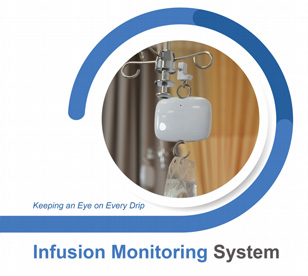


Amid the accelerating penetration of smart healthcare, the construction of smart wards has become a core focus for hospitals to improve service quality and optimize diagnosis and treatment experiences. As the most fundamental and critical clinical treatment link, intravenous infusion has long been plagued by pain points such as decentralized management and difficult safety control, which have restricted the full release of the value of smart wards.
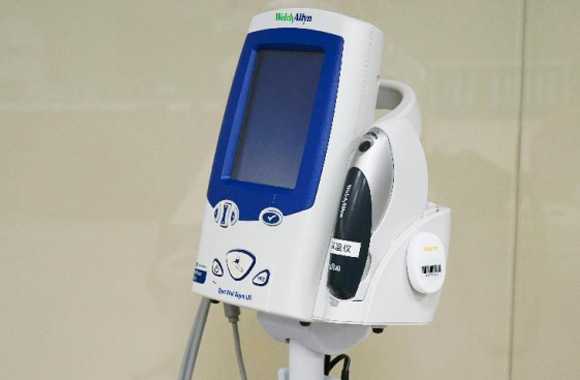
In the current era where medical services pursue precision and efficiency, temperature monitoring, as a fundamental link in disease assessment, its model innovation directly impacts diagnosis and treatment quality as well as the experience of both medical staff and patients.
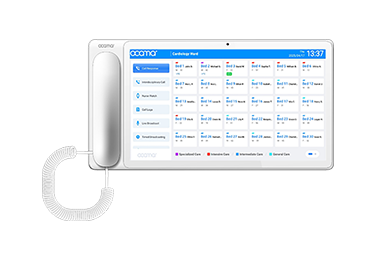
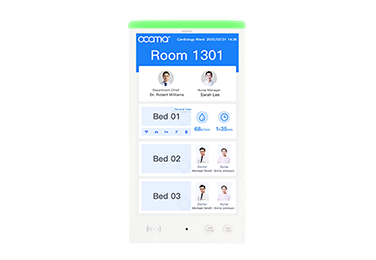
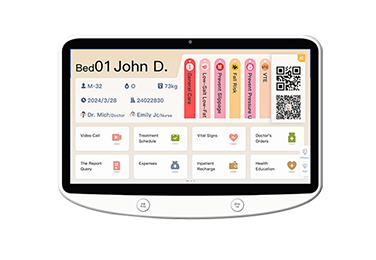
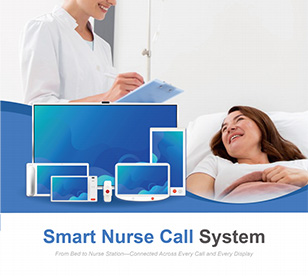
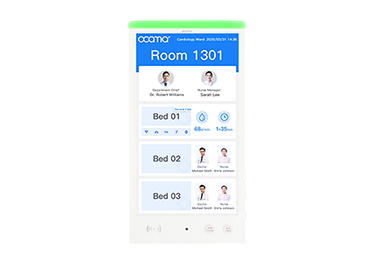
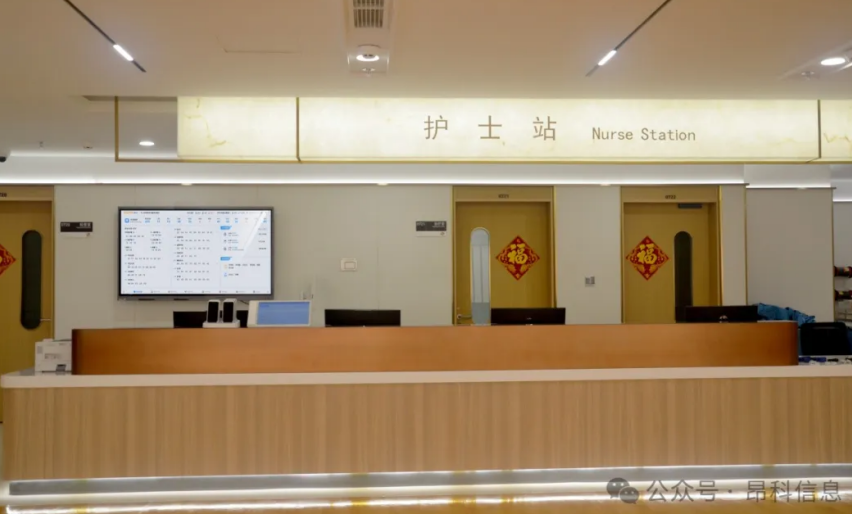
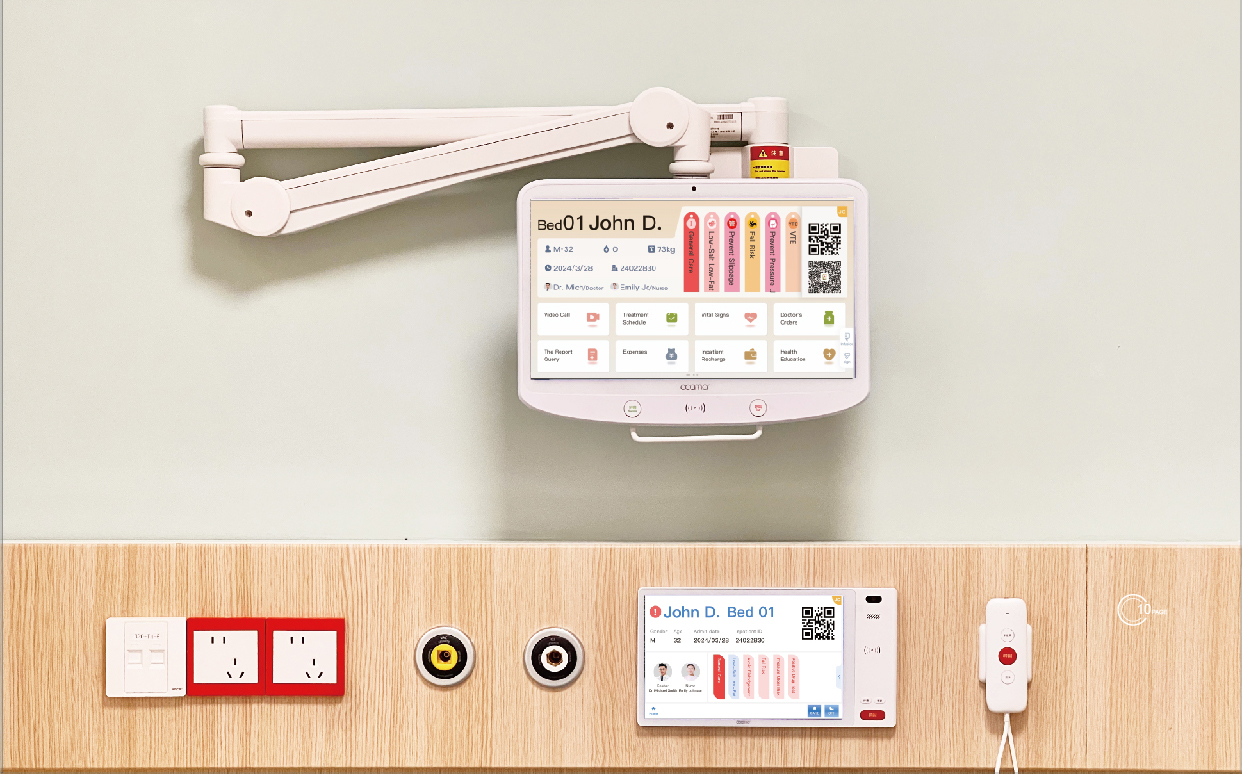
When emergency calls from the ICU demand split-second responses, when patient needs await timely attention, and when healthcare collaboration seeks to break down information silos—Ocamar Smart Nurse Call System delivers a full-scenario intelligent connectivity solution from bedside to nurse station.
Founded in 1946, Guangdong General Hospital has formed extensive collaborations with world-renowned medical institutions such as the Cleveland Clinic, Mayo Clinic, Massachusetts General Hospital, as well as leading hospitals in Australia and Israel. In 2019, the hospital successfully performed China’s first AI+5G-enabled remote minimally invasive cardiac surgery.
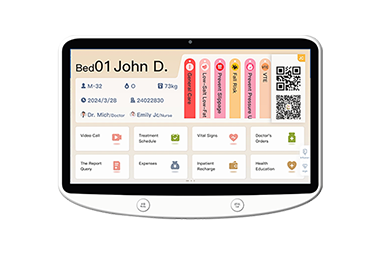
The Hospital is a leading tertiary hospital in South China, continuously advancing its healthcare IT infrastructure. Faced with complex and scattered nursing tasks, nurses often relied on memory to complete duties, which risked omissions and delays, impacting care quality and efficiency.
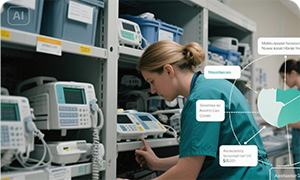
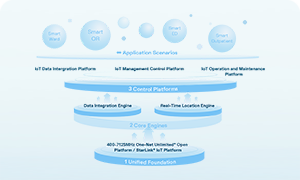
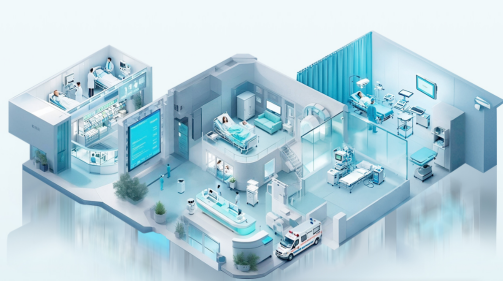
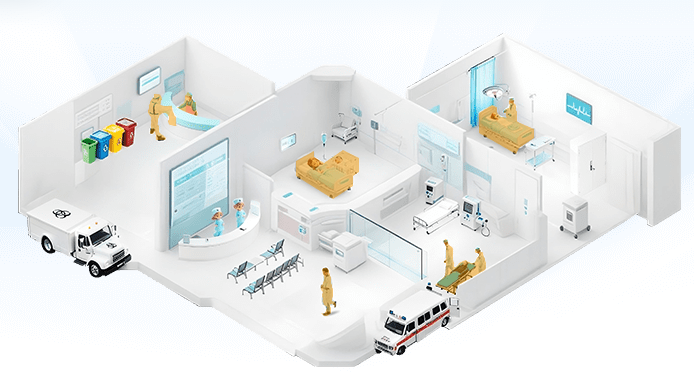
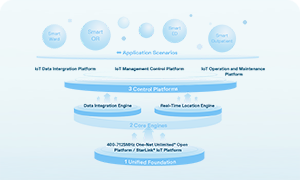
Imagine a hospital where information moves freely. A patient's vital signs collected by a bedside monitor automatically update their health record. Clinicians receive real-time alerts on their mobile devices when something changes. Administrators can see exactly where equipment is and how it's being used—all without picking up the phone or checking multiple systems.
02:24
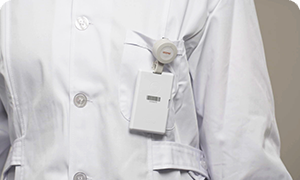
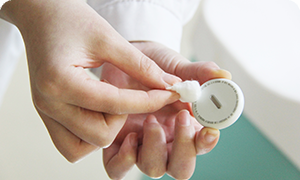
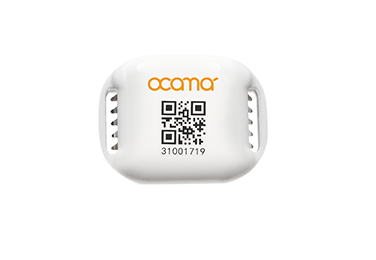
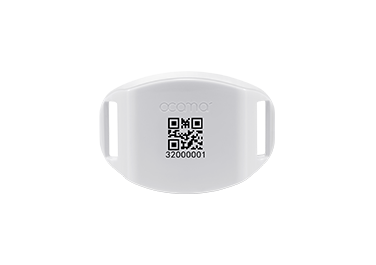
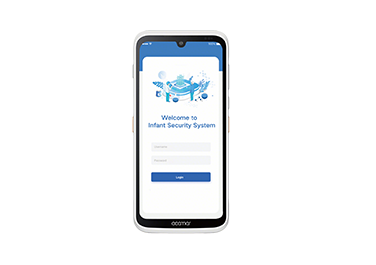
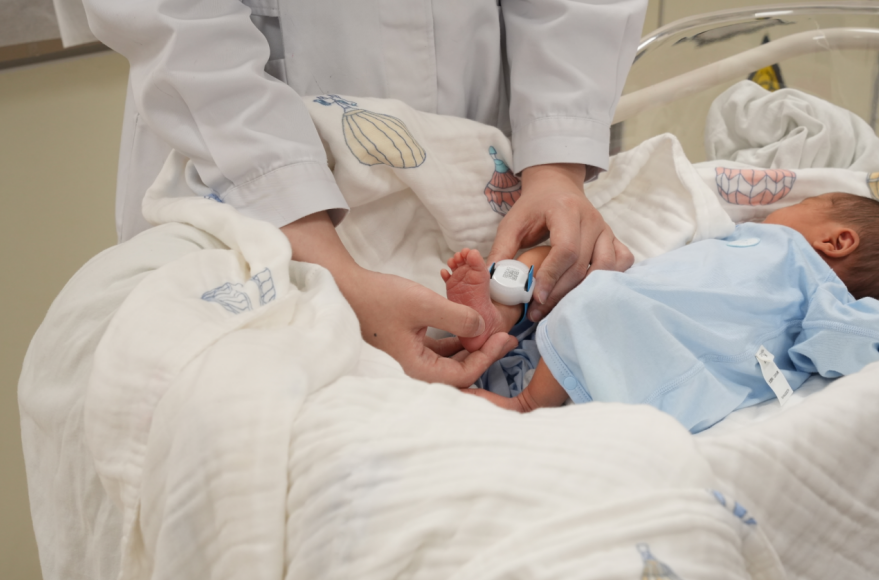
By using RFID/Bluetooth technology, Ocamar's infant security system offers lightweight and comfortable wearable tags for mothers and babies. The system automatically detects unauthorized movements, tampering and mismatching, ensures infant security while easing nurse workload and ward management.
Sir Run Run Shaw Hospital, located in Hangzhou, China, is a leading modern hospital known for its advancements in smart healthcare, minimally invasive procedures, and international management practices. The hospital, initially managed by Loma Linda University in the United States, has become a model for integrating Eastern and Western healthcare management practices.
Founded in 1915, Peking University First Hospital is one of China's top academic medical centers. Many of its studies appear in world-leading journals such as The New England Journal of Medicine, The Lancet, and The American Journal of Human Genetics.
Shanghai Zhongye Hospital, originally a geriatric rehabilitation center, is now a modern facility with 852 beds providing comprehensive elder care.
Founded by the Rockefeller Foundation in 1921, Peking Union Medical College Hospital (PUMCH) is China's top-ranked hospital and a national leader in advanced medical research and diagnosis.
Located in Shenzhen, Taikang Hospital is a premium healthcare facility committed to delivering world-class medical services. The hospital has formed a strategic partnership with the renowned Cedars-Sinai Medical Center in the United States—recognized globally for its excellence in patient care and clinical innovation. To align with its advanced infrastructure and international vision, the hospital deployed Ocamar's Nurse Call System across inpatient wards.
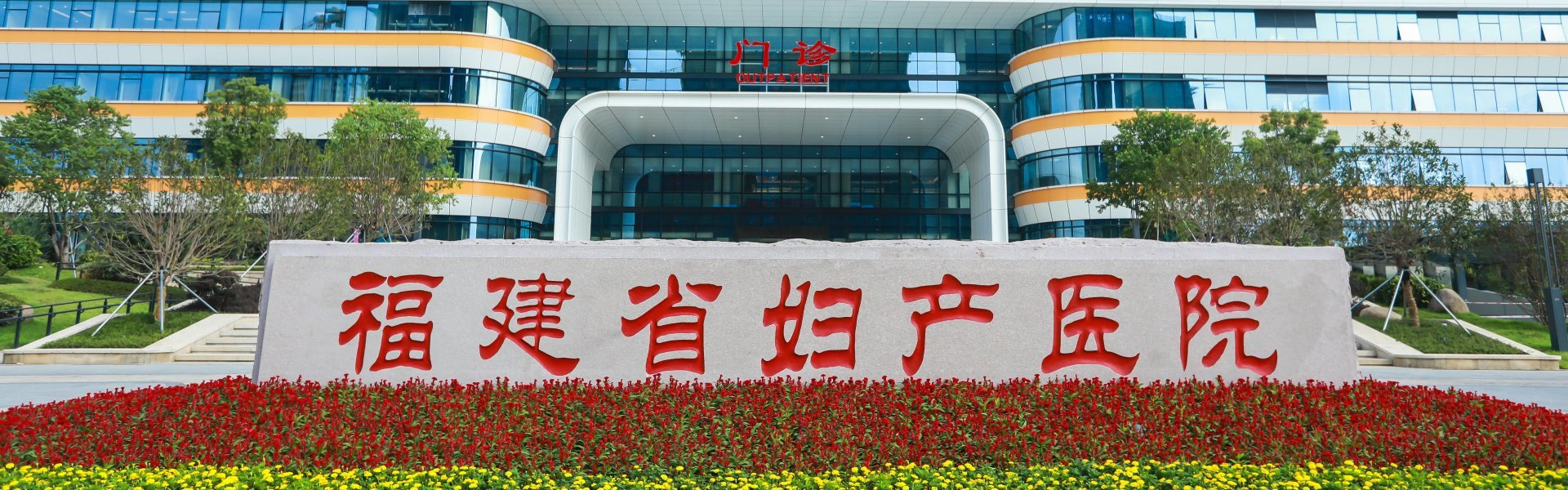
Fujian Provincial Maternity and Children's Hospital, being the first 3A-grade hospital of its type in China, was founded in May 1935 in Fuzhou city. With a capacity of 800 beds, the hospital occupies 184 acres with over 177,000 square meters of built space. It serves as a pilot site for smart hospital development.
Located in Jiangsu province, Wuxi Xishan People's Hospital is a comprehensive medical institution established in 1976. It offers services across clinical care, teaching, emergency response, and public health.
Founded in 1951, Haikou Hospital of The Maternal Women and Children Health is a leading Class III Grade A facility integrating healthcare, prevention, teaching, and research. With over 500 beds and 10,000 annual births, it is one of the most advanced maternal and child hospitals in Hainan Province.
Wuhan Mental Health Center, one of Central China's largest psychiatric hospitals, faces challenges managing patients with cognitive impairments. These patients often wander into restricted areas or try to leave unattended, posing significant safety risks. Additionally, some with paranoid or aggressive behaviors deliberately remove standard wristbands, complicating supervision.
Founded in 1933, Shanghai Putuo District Central Hospital is recognized for its excellence across multiple departments, including internal medicine, surgery, gynecology, neurology, oncology, ophthalmology, and ENT. Over the past two decades, the hospital has actively advanced its scientific research efforts, establishing collaborative projects with international institutions such as the World Health Organization (WHO), the University of Washington, the Harvard T.H. Chan School of Public Health, and SUNY Canton.
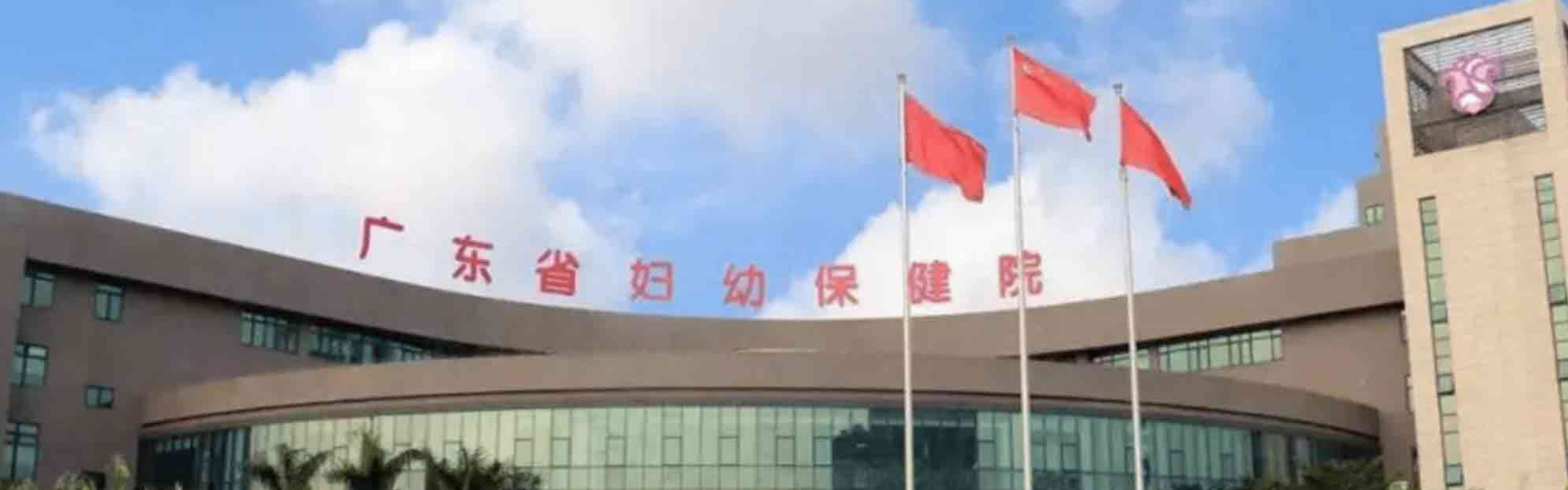
Founded in 1944, Guangdong Maternity and Child Health Care Hospital is a Class III Grade A institution under the direct administration of the Guangdong Health Commission. With a long-standing commitment to public welfare and medical excellence, the hospital has established a strategic partnership with Boston Children's Hospital, Harvard Medical School. Recognizing the potential of Ocamar's Smart Hospital Solution, the hospital partnered with Ocamar to accelerate its digital upgrade.
Founded in 1844, Shanghai Jiao Tong University School of Medicine established one of Shanghai's first and most prestigious Western medical institutions. Today, the hospital comprises four campuses and the Shanghai Cancer Institute, offering a full range of medical disciplines and integrating clinical care, teaching, and research.
Renji Hospital, affiliated with Shanghai Jiao Tong University School of Medicine, was founded in 1844. It is a Grade A tertiary hospital with four campuses and the Shanghai Cancer Institute. To meet the growing healthcare demand, the East Campus of Renji Hospital was established in 1999, further expanding access to high-quality medical services.
The First Affiliated Hospital of USTC (Anhui Provincial Hospital), established in 1898, is one of China's top 100 hospitals. With 7,095 beds, it handles over 6.7 million outpatient and emergency visits annually, discharges more than 350,000 patients, and performs over 190,000 surgeries each year.
Fujian Provincial Children's Hospital is a top-ranking tertiary pediatric hospital in China. With critical departments such as the Neonatal Intensive Care Unit (NICU), operating rooms, and isolation wards, the hospital demands exceptionally high standards for environmental stability to ensure patient safety—especially for vulnerable infants and children.
Established in 1880, Wuhan Central Hospital is a large general hospital with 3,700 beds and over 3.4 million outpatient visits annually. As a regional model for smart hospital development, it focuses on improving efficiency and clinical experience through digital transformation.
Founded in 1896 and restructured under the Navy in 1987, Navy Anqing Hospital has over a century of history, having served both as a missionary hospital and a military medical institution. With over $55 million USD in total equipment assets, the hospital houses advanced technologies including 3.0T MRI, high-end DSA, linear accelerators, and fully automated laboratory lines.
Ocamar Technologies is pleased to announce our participation in the 11th edition of MEDICAL FAIR THAILAND, the region's leading exhibition for the medical and healthcare industry.
As populations age worldwide, healthcare systems are facing unprecedented challenges in preventing falls among elderly patients. Traditional monitoring methods often rely on periodic checks or passive alarms that can delay response times and increase the risk of injury.
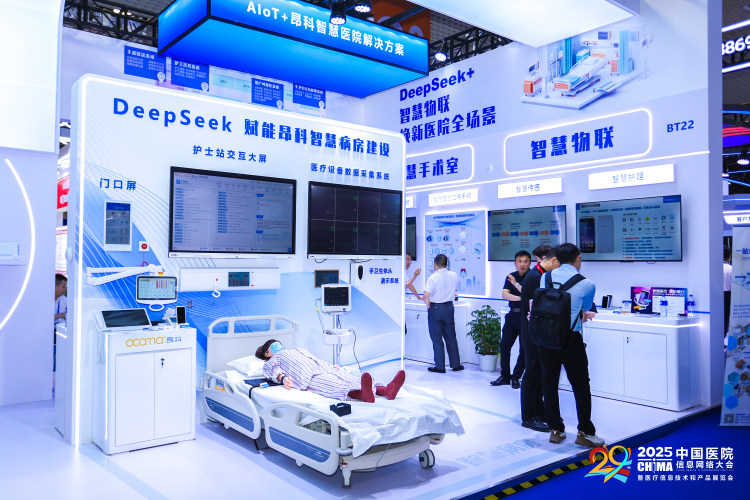
Ocamar has successfully wrapped up its participation in the 29th China Hospital Information Network Conference (CHIMA 2025), recognized as one of China's leading health IT event—comparable in scale and influence to HIMSS Global Health Conference.The event brought together leading healthcare and technology organizations to explore the future of digital transformation in hospitals.
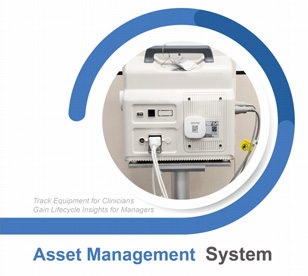
We are pleased to announce that its Asset Management System has been successfully deployed at Peking University First Hospital, one of China's most prestigious academic medical centers with a strong reputation for clinical excellence and research leadership across Asia.
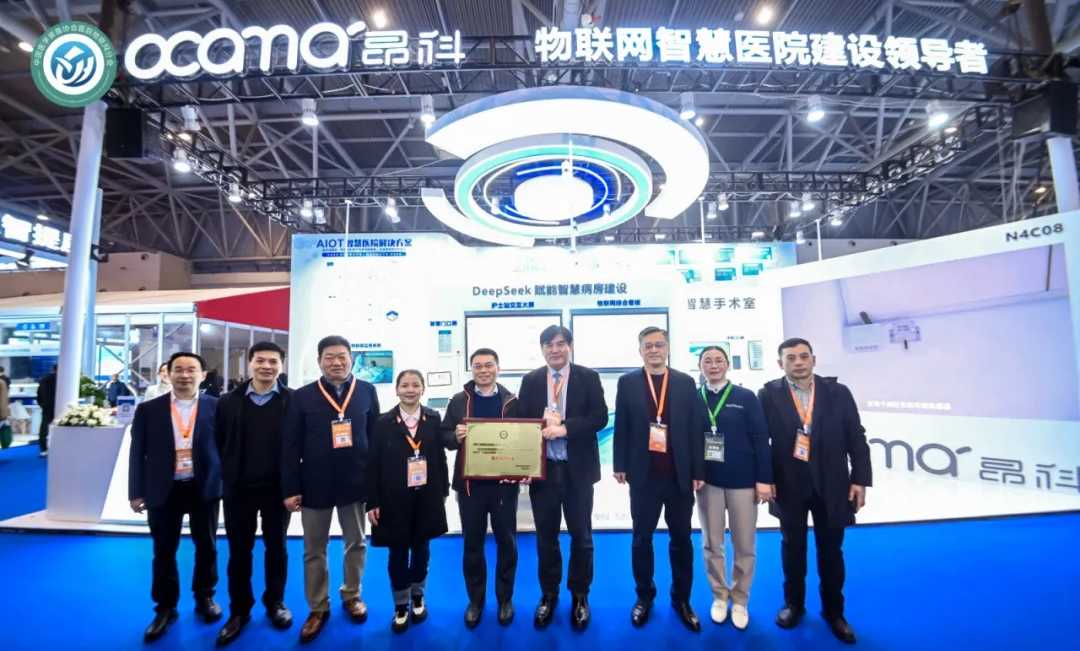
HIOTC 2025 (Healthcare IoT Congress) concluded successfully last week in Chongqing, China, drawing over 500 exhibitors and 30,000 attendees from across the healthcare technology landscape. As one of China's leading IoT-focused healthcare event—often compared to the global HIMSS conference—HIOTC offered a dynamic platform to explore the future of connected care.
Patient safety is the core bottom line of medical services.
In the development process of smart healthcare, the integration of technological innovation and humanistic care has become the key to improving the quality of medical services.
In the core scenarios of medical services, the efficiency and accuracy of communication in the wards directly determine the quality of medical services and the patient experience.
Since its establishment in 2006, the Meichengyihe Medical Group has always adhered to the core principle of "patient-centeredness".
With the rapid development of smart healthcare, medical institutions have put forward higher requirements for the diversified adaptation ability and data processing capacity of nursing equipment.
As a tertiary-class first-class specialized hospital with a history of nearly 80 years, Shanghai First Maternity and Infant Health Care Hospital (now Tongji University Affiliated Obstetrics and Gynecology Hospital) has always been at the forefront of China's maternal and child health care.
On August 9, 2024, after four years of meticulous planning and meticulous construction, the Shenzhen Qianhai Taikang Hospital was grandly inaugurated. As a remarkable achievement of the strong collaboration between Taikang Insurance Group and the Qianhai Administration Bureau, this medical flagship located in the Guangdong-Hong Kong-Macao Greater Bay Area has brought high-quality medical and health centers to Shenzhen and the entire Greater Bay Area, adhering to the standards of a large tertiary general hospital.
As a regional medical benchmark, Wuxi Second People's Hospital (South Campus) has a profound historical foundation and strong medical capabilities. Over the years, it has been committed to providing patients with high-quality and efficient medical services.
The efficiency of medical staff directly affects the coverage and quality of medical services. Complicated work processes and repetitive manual operations often become the key factors restricting the improvement of efficiency.
Driven by the medical Internet of Things technology, the construction of smart wards has become the core direction of hospital digital transformation.
The quality and performance of medical equipment directly affect the safety and efficiency of medical services. The Ocamar intelligent nursing interactive screen series products, with their robust hardware parameters, stable operation performance and strict quality control, have forged a trustworthy medical-grade quality, providing reliable intelligent nursing support for medical institutions.
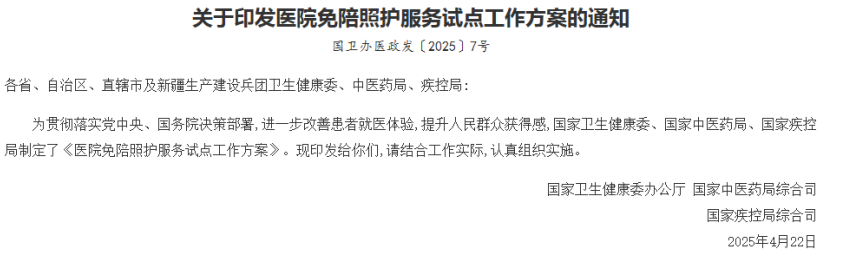
In recent years, the country has attached great importance to the digital and intelligent transformation of the medical industry and has introduced a series of policies and regulations to provide strong support for the development of smart healthcare.
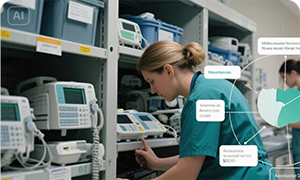
Today, with the rapid penetration of intelligent healthcare, the equipment management in hospitals has long left behind the traditional mode of "manual inventory and experience-based judgment".
Shandong Provincial Cancer Hospital and Shandong Provincial Institute of Cancer Prevention and Control was established in 1958. It is located in Jinan, the city of springs, and is affiliated to Shandong Academy of Medical Sciences. The Shandong Provincial Health and Family Planning Commission is the business supervisory department.
The "Healthy China" strategy has been vigorously implemented, and the digital transformation of the medical industry has entered a deep-water zone. The construction of smart hospitals has become the core engine for improving medical service quality and optimizing the medical treatment experience.
In order to gain a thorough understanding of the effectiveness of the Onke baby security system in practical applications, we specially went to the Fujian Provincial Maternity Hospital (Fujian Provincial Maternal and Child Health Care Hospital, Fifth North District), and had a conversation with the key personnel of the hospital to explore how this high-tech system ensures the safety of mothers and babies and becomes the preferred choice of the hospital.
The arrival of every newborn is a most precious gift for a family. However, the risks of infant theft and incorrect handling within the hospital pose a hidden danger, causing great anxiety among new parents and presenting a serious challenge for hospital management. Traditional manual care relies on visual recognition and barcode registration, which are prone to errors and difficult to trace, and simply cannot cope with the complex environment of the hospital ward.
The Shao Yi Fu Hospital affiliated to the School of Medicine of Zhejiang University was funded by the renowned Hong Kong industrialist Sir Shao Yi Fu and constructed with financial support from the Zhejiang Provincial Government. It is a public comprehensive tertiary grade A hospital integrating medical services, teaching, research, and social services.
When the first cry of a newborn rings out in the delivery room, every family is filled with joy and anticipation. This precious happiness requires the most solid security guarantee.
In every corner of the hospital, the footsteps of medical staff never cease. And body temperature monitoring, as a crucial part of diagnosing the condition, often requires a significant amount of manpower and effort.
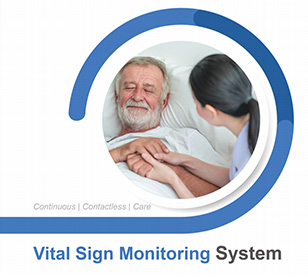
In the era of rapid technological development, health monitoring devices are constantly evolving. The Onco Vital Sign Monitoring Mattress is like a brilliant new star, thanks to its outstanding product advantages, shining brightly in the field of vital sign monitoring. Moreover, with its broad application market prospects, it has brought new development opportunities to numerous industries.
In the current era where technological waves are sweeping across all industries, smart healthcare is reshaping the traditional medical model with an unstoppable momentum. Taikang Tongji (Wuhan) Hospital, as a high-quality non-profit general hospital wholly established by the world 500-strong enterprise Taikang Insurance Group and deeply managed in collaboration with Tongji Hospital of Huazhong University of Science and Technology, has always been at the forefront of medical innovation.
To promote and regulate the informatization construction of hospitals across the country, and to clarify the basic contents and construction requirements of hospital informatization, the Planning and Information Department of the National Health Commission has formulated the "National Hospital Informatization Construction Standards and Specifications (Trial Version)".
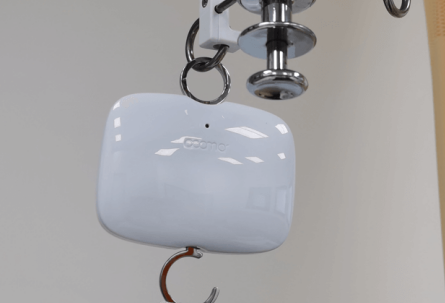
The Onco Infusion Monitoring System is based on the advanced Onco OneNet Infinity® all-network digital distribution platform. It innovatively combines Internet of Things sensing technology with wireless infusion monitors, aiming to provide a comprehensive and intelligent monitoring solution for the clinical intravenous infusion process. This ensures the safety and efficiency of infusion, significantly improving the quality of hospital nursing services.
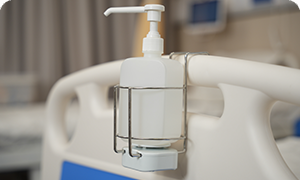
In the entire process of hospital treatment, hand hygiene is a crucial step in preventing cross-infection and safeguarding patient safety. Whether it is routine care in the ward or precise operations in the operating room, standardized hand hygiene procedures are indispensable.
In the medical field, intravenous infusion is a common treatment method. However, during the traditional infusion process, both the tension of patients and their families constantly keeping an eye on the infusion bottle, as well as the busyness of nurses frequently checking on it, all reflect the numerous inconveniences involved.
Under the dual challenges of strained medical resources and surging patient demands, the traditional infusion mode has failed to meet the requirements of modern medical services.

+86 135 6460 8501

service_global@ocamar.com

2nd Floor, Block C, Building 20, No. 2388 Chenhang Highway,Minhang District, Shanghai