

To promote and regulate the informatization construction of hospitals across the country, and to clarify the basic contents and construction requirements of hospital informatization, the Planning and Information Department of the National Health Commission has formulated the "National Hospital Informatization Construction Standards and Specifications (Trial Version)". It has clearly defined the development requirements for hospital informatization applications in the next 5-10 years. The smart ward system is designed in accordance with the "National Hospital Informatization Construction Standards and Specifications (Trial Version)", conforming to electronic medical records, interconnection and interoperability, intelligent management, intelligent services, and hospital rating indicators. Thus, when it is launched in the smart wards, it not only brings value to the operational efficiency of the hospital, but also enables hospital quality development through rating empowerment.
Renzhi Hospital of Shanghai Jiao Tong University School of Medicine, as a century-old hospital, has always adhered to the service concept of "putting patients first", and is committed to improving the medical service level and upgrading technologies. In the construction of smart wards, this hospital is at the forefront.
A recent article released by the hospital, titled "This Malaysian 'Little Yellow Man' baby was born in Shanghai Renji Hospital after a journey of nearly 3,700 kilometers", has drawn widespread attention from people.
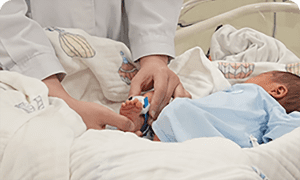
A 1-year-and-8-month-old girl named Kela (a pseudonym) from Malaysia has been suffering from jaundice since birth. Her life can only be saved through a liver transplant surgery. Although she received treatment in Malaysia, she still experienced recurring symptoms such as fever and jaundice, and her abdomen became increasingly larger. In this situation, she and her family, traveling a distance of nearly 3,700 kilometers, came from Malaysia to Shanghai to seek help.
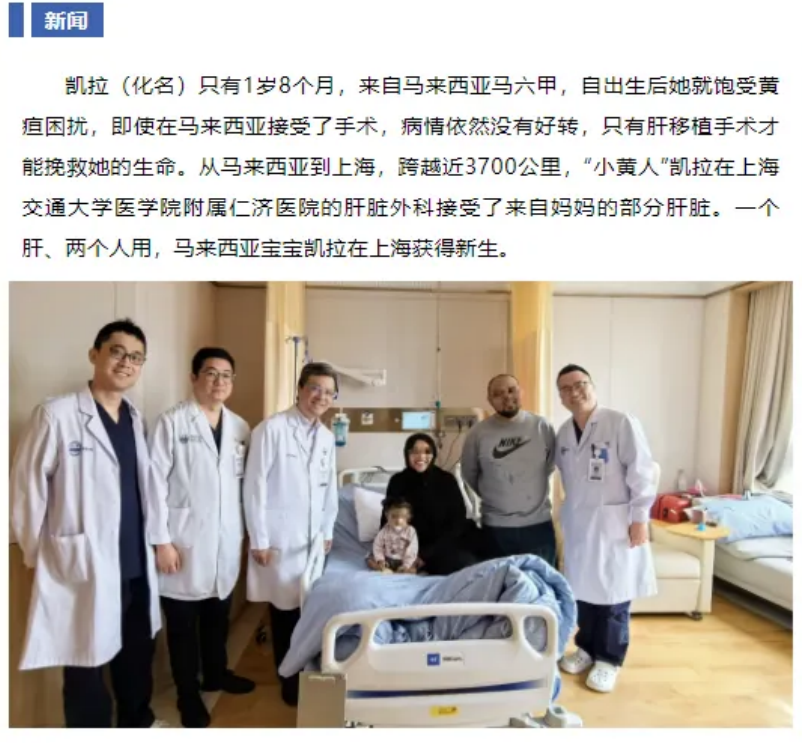
At Renji Hospital in Shanghai, Kayla received a portion of her mother's liver. The surgery was a success. This process not only demonstrated the superb medical technology but also showcased the warmth and hope of international medical cooperation.
After traveling nearly 3,700 kilometers, this Malaysian "little yellow man" baby was born at Shanghai Renji Hospital.
As a provider of intelligent hospital ward construction services, Angke is also very honored to offer high-quality ward services for the hospital. During this process, Angke not only provides technical support, but also creates a safer and more comfortable treatment environment for the young patients and their families through its intelligent ward management system.
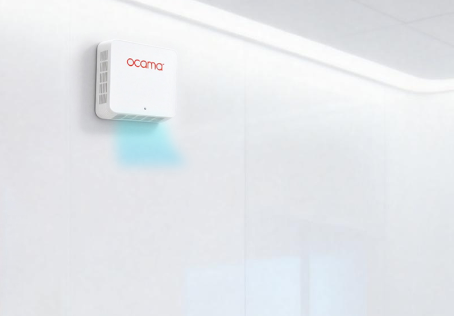
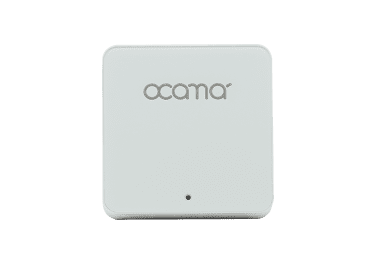
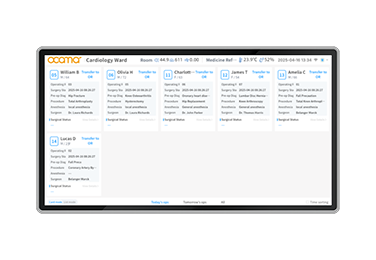
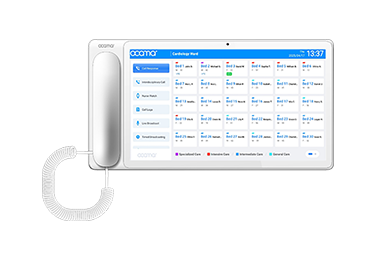
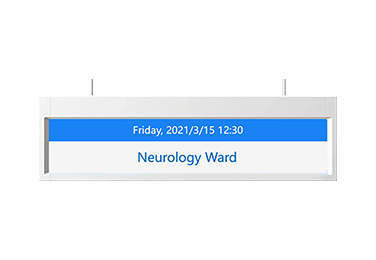
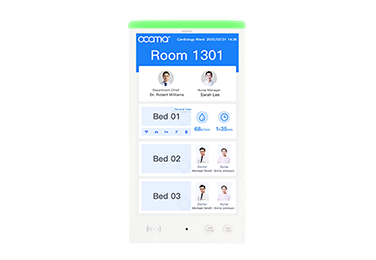
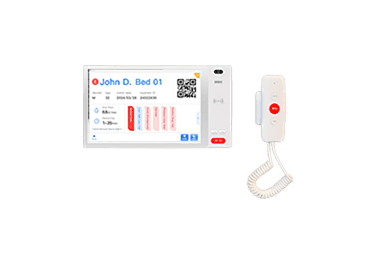
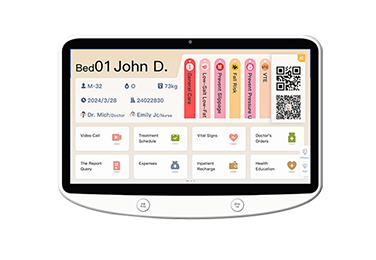
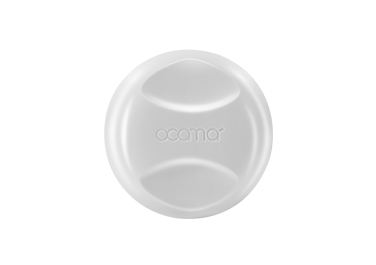
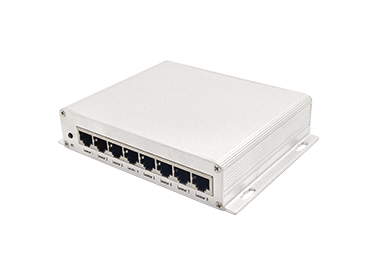
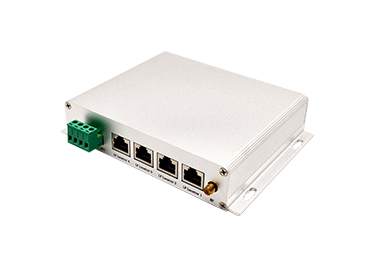
In 2023, Renji Hospital (East Campus), affiliated to Shanghai Jiao Tong University School of Medicine, collaborated with Angke to introduce the intelligent ward interaction system. The system consists of an interactive large screen at the nurse station, a smart bedside screen, a smart bedside panel, a smart door panel, a corridor screen, and a biological and internet-of-things intelligent gateway. The construction of the intelligent ward at Shanghai Jiao Tong University School of Medicine's Renji Hospital is not only an optimization of business processes but also an embodiment of the hospital's advanced management concepts.
The hospital has always been committed to putting patients at the center of its operations, continuously introducing new technologies and equipment to meet the health needs of a wide range of patients.
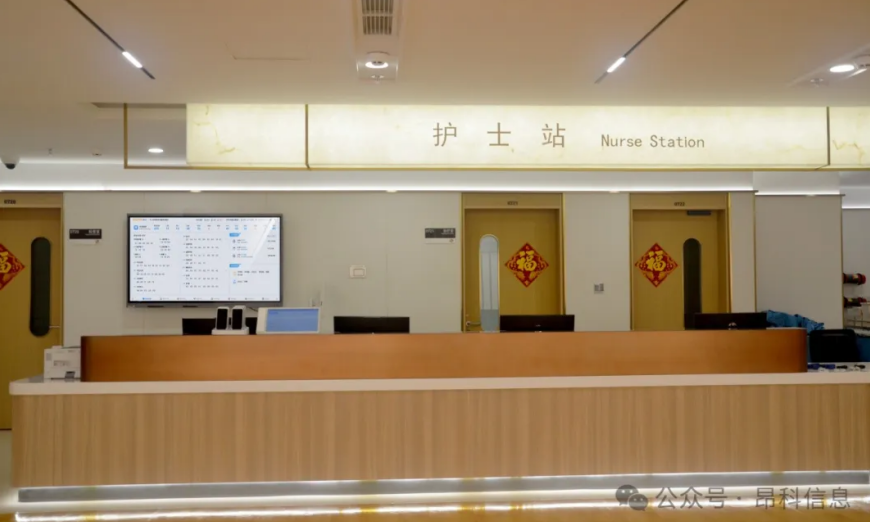
Wisdom-based communication is quicker, and efficient communication is filled with warmth.
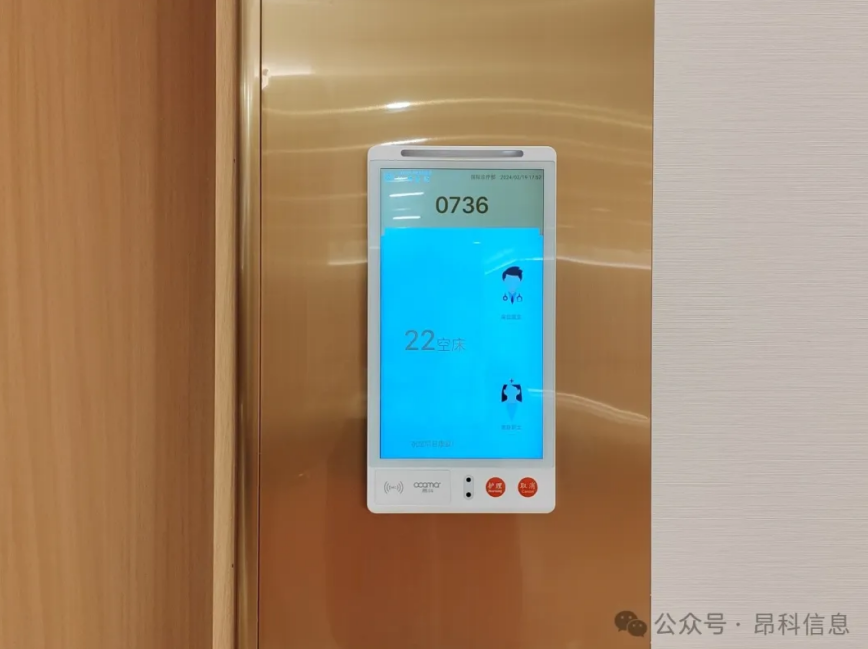
In daily medical services, the interaction between doctors and patients is an important part and is crucial to the quality and efficiency of medical services. Whether patients are satisfied during their hospital stay and whether they trust the medical staff are all closely related to the interaction between doctors and patients. Therefore, hospitals should attach importance to the significance of doctor-patient communication interaction and take corresponding measures to improve the quality of doctor-patient communication.
How to communicate better?
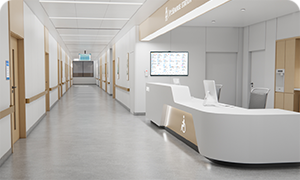
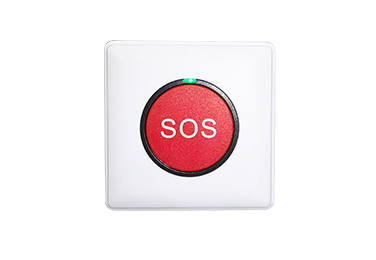
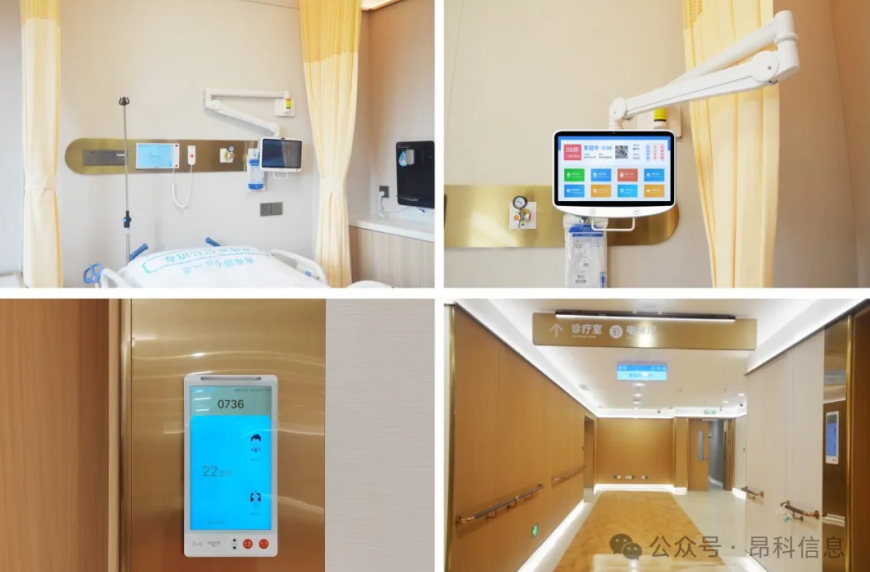
For several areas related to doctors, nurses and patients, Onkyo will divide the scenarios into: nurse station, corridor, ward, etc. According to the needs of each area, interactive smart screens will be equipped, including the nurse station call console, smart corridor screen, smart door screen, smart bedside screen, smart bedside panel, and bathroom call button, etc. Touch screens. An efficient and convenient communication mechanism will be established.
2. The data is integrated with the hospital's information system, ensuring more accurate data transmission and display. This resolves issues such as information asymmetry in traditional medical environments. When medical staff query patient information, it becomes more timely and accurate, avoiding misunderstandings and disputes caused by poor communication, thereby improving the quality of care and truly achieving the goal of "returning nurses to patients".
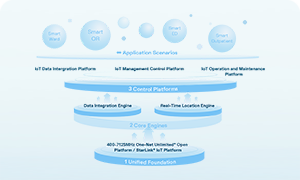
The Onke Intelligent Ward System, relying on advanced Internet of Things technology and integrating the existing IoT application devices in the hospital, enables the smooth flow of data. Patients can query medical orders, view reports, and conduct bedside settlement through the interactive screen. Medical staff can view patient information, check shift handover data, respond to patient calls, and broadcast notifications through the interactive screen at the nurse station and the nurse station call host. This brings a new intelligent interaction experience for doctors, nurses, and patients. It enhances the hospitalization experience for patients, improves the efficiency of medical staff, reduces hospital management costs, and creates more medical service value.
How to be more "efficient"?
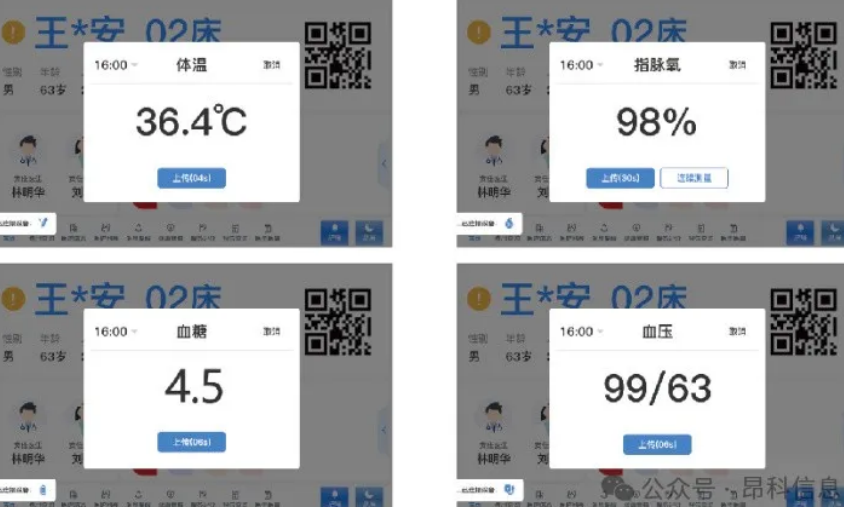
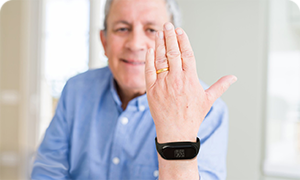
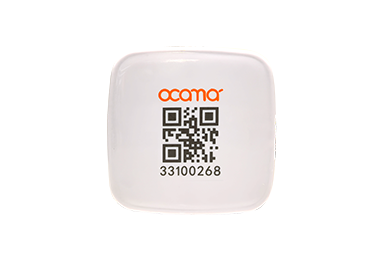
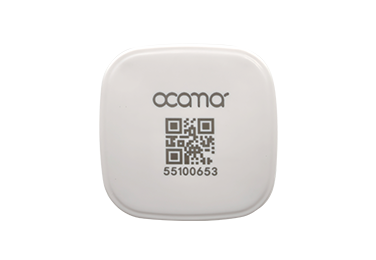
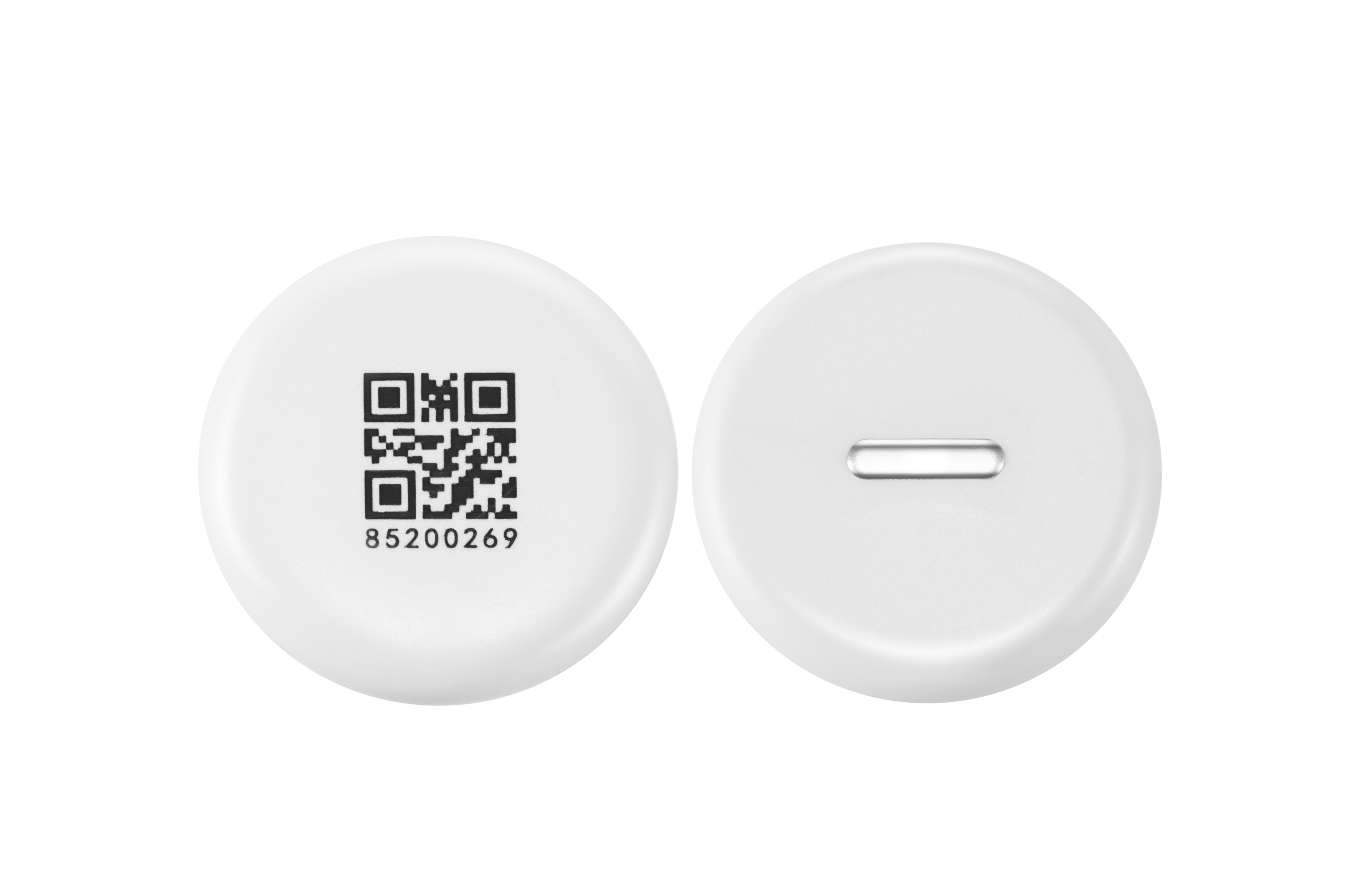
1. Through Bluetooth technology, the body condition data measured by devices such as the Bluetooth thermometer, oximeter, blood pressure monitor, and blood glucose meter in the hospital are automatically uploaded. The daily body condition measurement can be completed in less than one minute. It supports bedhead data confirmation and the selection of the time point for data entry. Compared with the traditional manual data entry, this method is less prone to alterations and errors. The collected data is more intelligent and accurate, helping to enhance the intelligent management level of the ward.
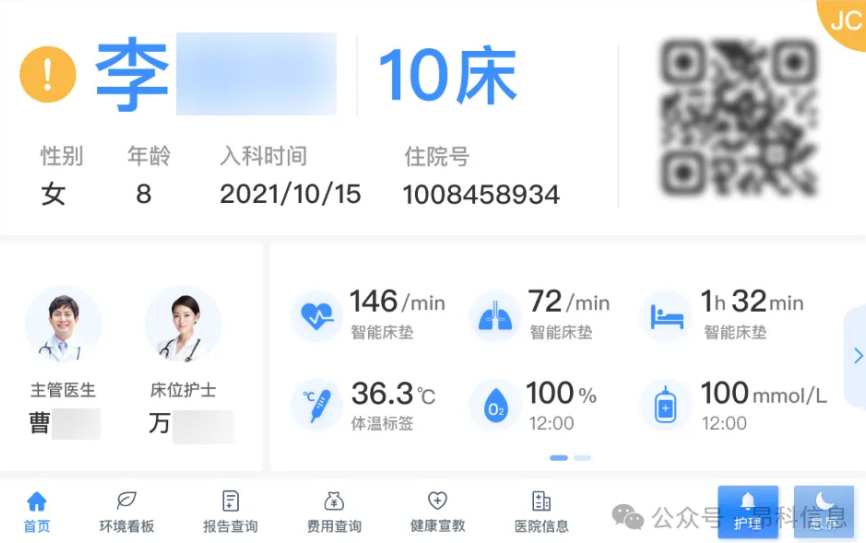
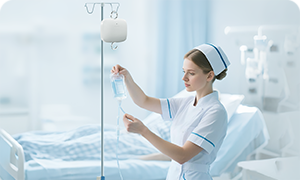
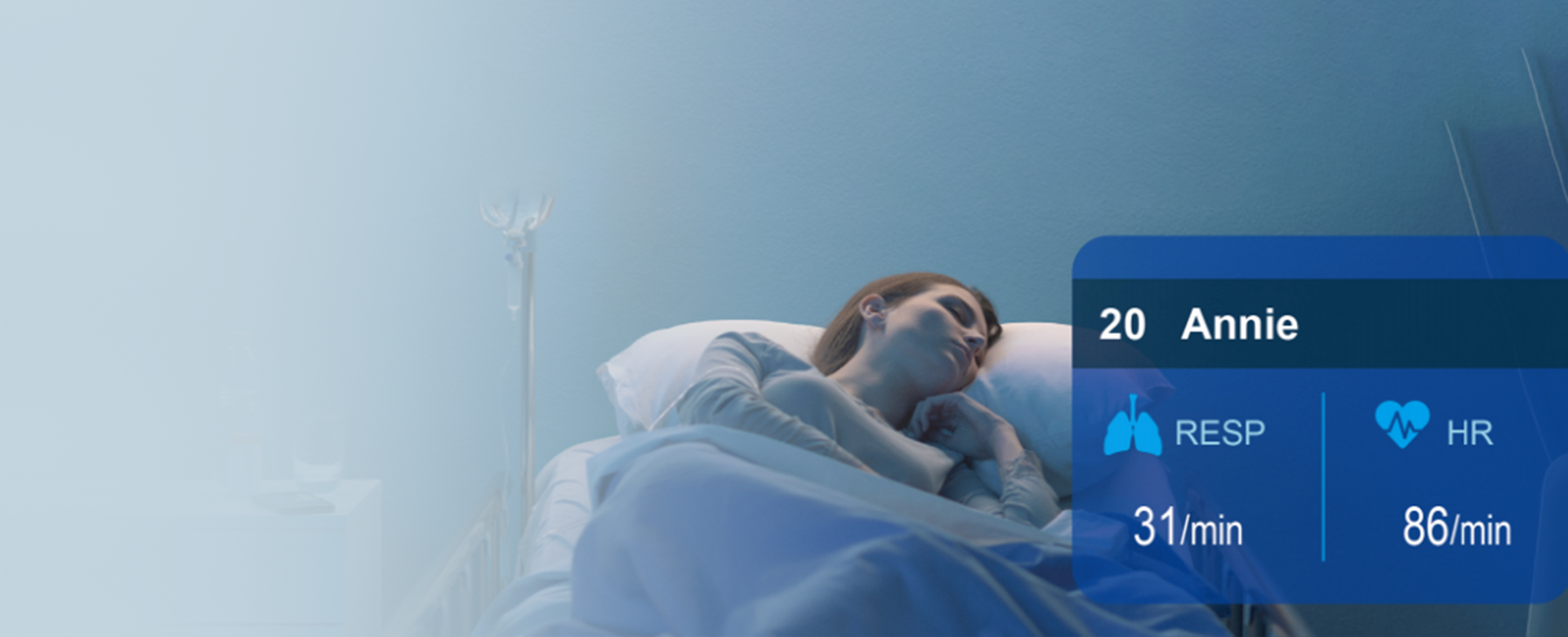
2. These interactive screens not only feature high-definition display, call response, and touch operation functions, but also integrate numerous intelligent applications of the Internet of Things. For instance, they include data such as infusion monitoring, body temperature, vital signs, and hospital environment monitoring. Medical staff can view the data of IoT applications through various interactive screens and promptly obtain information on any abnormalities.
The intelligent ward is not only a participant in data, but also a full-process producer of data, including data collection, data processing, data utilization and data visualization. It enables intelligent management, rapid prediction and rapid decision-making, and ultimately realizes quality control of the ward through the intelligent brain. Hardware upgrade support: Quality, user experience, and response speed have been significantly improved. The operational smoothness and response speed have been enhanced, and the performance of the intelligent ward 4.0 series terminals has been improved by 40%, with stronger data processing capabilities, storage capacity and operation response speed.
The Renji Hospital of Shanghai Jiao Tong University School of Medicine (East Campus) has collaborated with the Angke technology team to make significant progress in the construction of smart wards. Focusing on "improving quality and efficiency", the hospital is moving towards a direction of intelligence, science, standardization, refinement, and informatization.
The future Onko intelligent hospital solution covers hospital administrators, doctors, nurses, patients and their families. Each role can personally experience the intelligent changes brought by the intelligent hospital. In independent scenarios, they can also be smartly interconnected. The platform thinking, standardization, normalization and unification enable platform-based management, and it is easy to achieve interconnection, precise data and real-time data.



