

As a tertiary-class first-class specialized hospital with a history of nearly 80 years, Shanghai First Maternity and Infant Health Care Hospital (now Tongji University Affiliated Obstetrics and Gynecology Hospital) has always been at the forefront of China's maternal and child health care. Since its establishment in 1947, the hospital has consistently upheld the important mission of safeguarding the health of women and children. From successfully passing the national first batch of "Baby-Friendly Hospital" assessment in 1992, to obtaining the title of tertiary-class specialized hospital in 1995, and then becoming a Tongji University Affiliated Hospital in 2006, and finally changing its name and upgrading in 2023, the hospital has always adhered to this mission and actively responded to national policy calls. It has continuously explored and advanced in the field of smart healthcare.
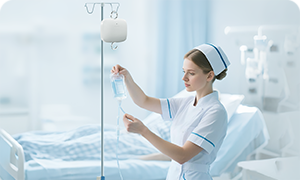
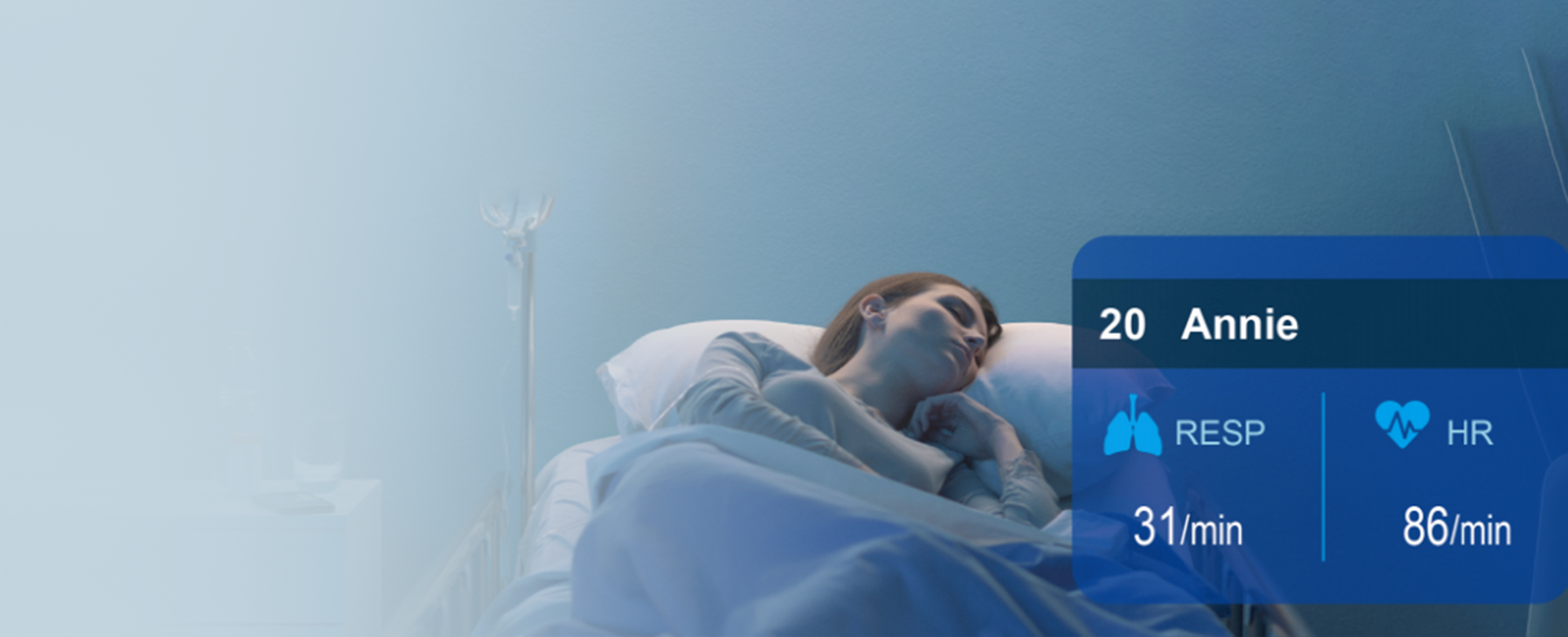
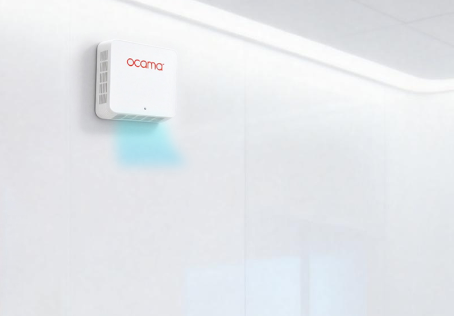
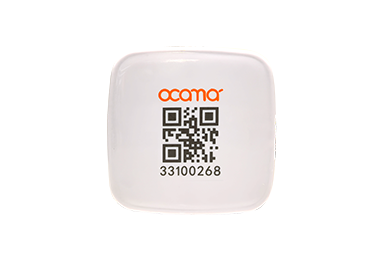
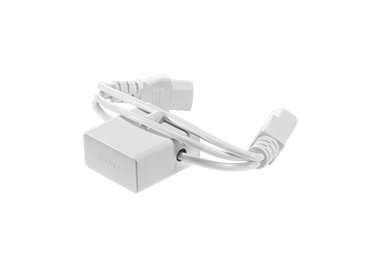
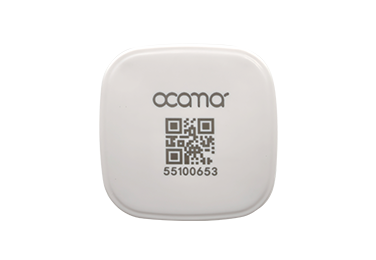
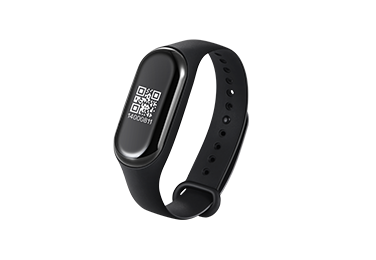
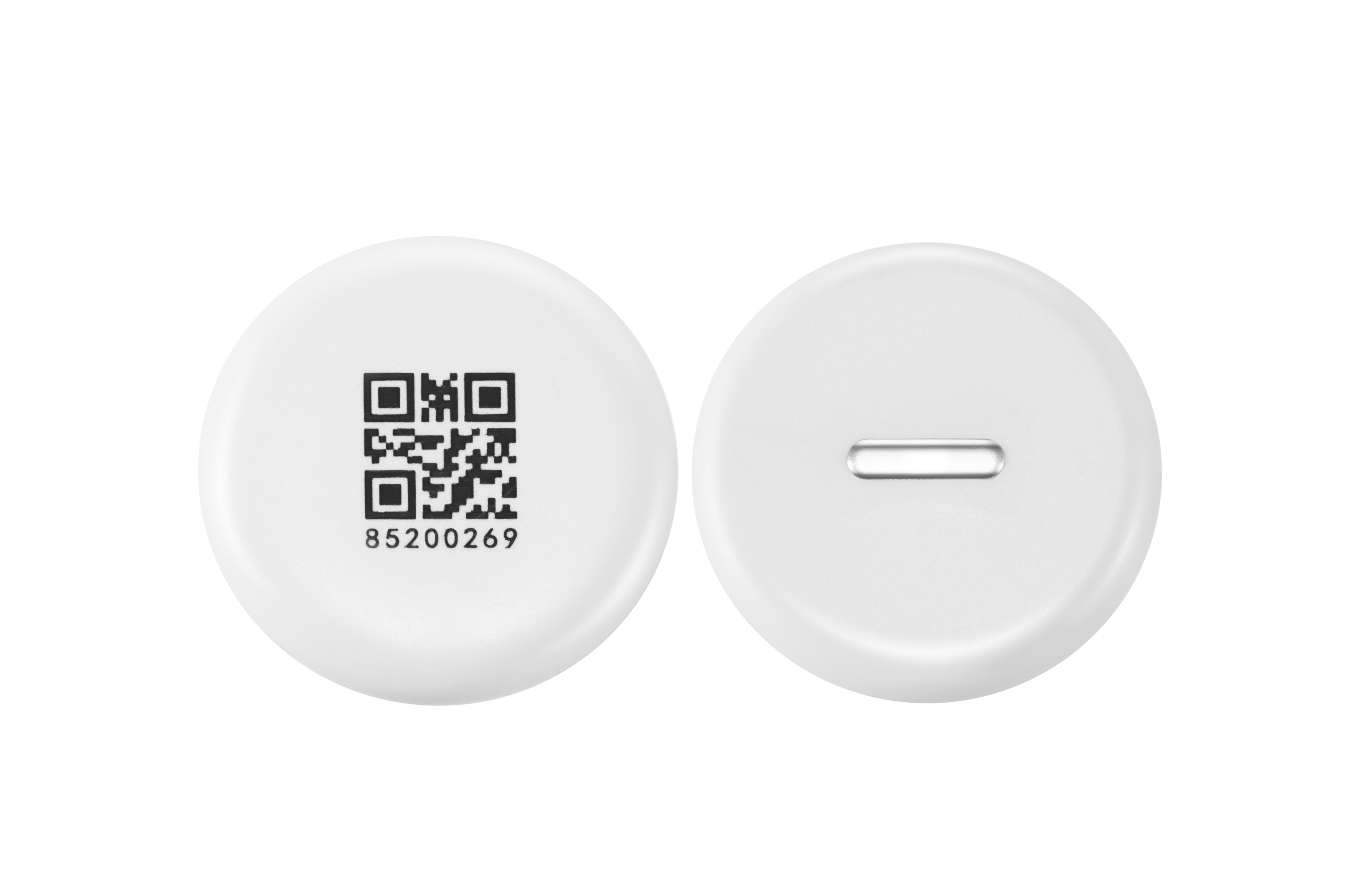
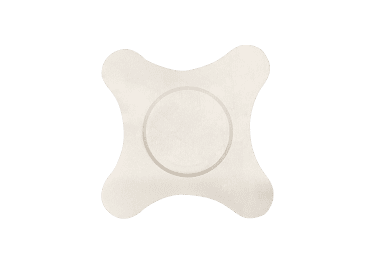
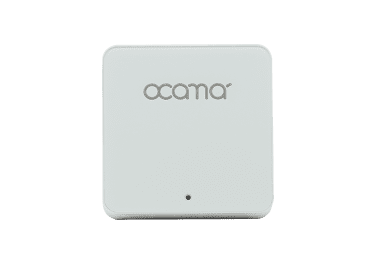
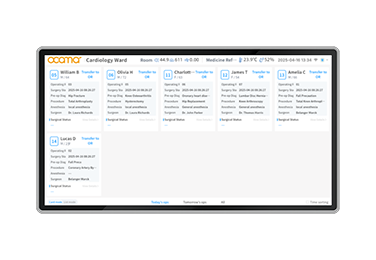
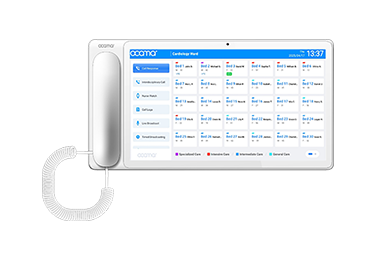
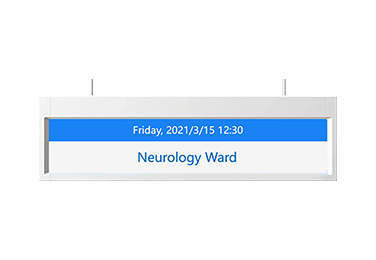
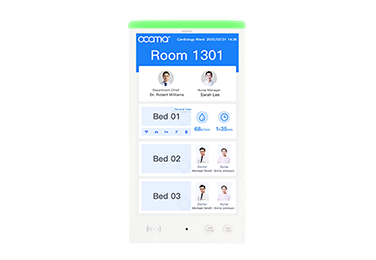
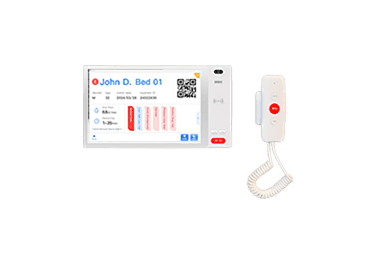
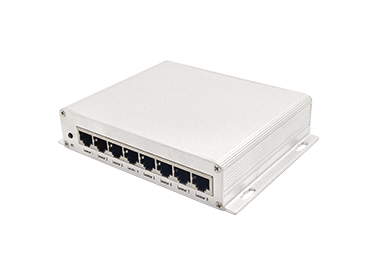
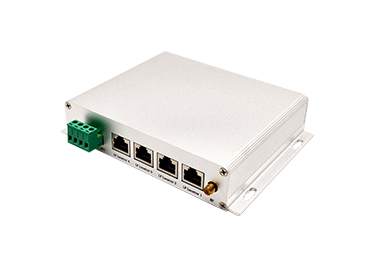
In 2024, to further enhance medical service quality and patient experience, in line with the national policy guidance for smart healthcare development, Shanghai First Maternity and Infant Health Care Hospital introduced the Ocamar smart nursing interaction screen series products, including nurse station nursing interaction large screens, smart entrance screens, smart bedside screens, wireless infusion monitoring systems, etc. This marks that the hospital has taken a solid step forward in the construction of smart wards and has embarked on a new chapter of smart upgrading of maternal and child health care services.
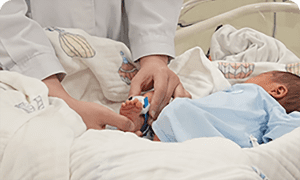
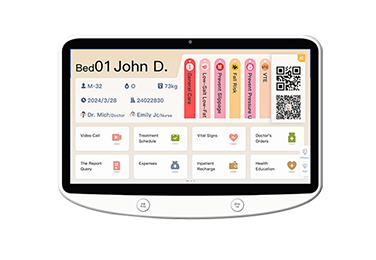
For the special service recipients of maternal and child health care institutions, the all-age-adaptation design of Ocamar nursing interaction screens demonstrates significant advantages. The pregnant and postpartum groups cover different age ranges. Some elderly family members face operational difficulties when accompanying patients for medical treatment. However, the simple and intuitive interface design, large font with high contrast display effect, and clear operation logic of the nursing interaction screens enable pregnant women and their families to easily operate without professional guidance. Through the smart bedside screen, pregnant women can initiate calls, query pregnancy health knowledge, prenatal examination arrangements, and hospitalization costs, and also use the remote visit function to have real-time video with family members, which helps alleviate anxiety during hospitalization. For the family members of newborns, the remote visit function solves the problem of no on-site visitation in the newborn ward, allowing family members to always monitor the baby's condition and feel the hospital's humanistic care.
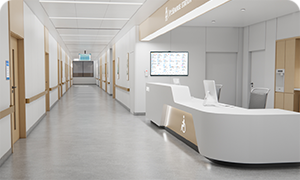
In terms of optimizing nursing work, the multi-screen linkage and data synchronization functions of Ocamar nursing interaction screens have greatly improved the efficiency of medical staff collaboration. The nurse station nursing interaction large screen centrally displays patient information, call requests, nursing tasks, and IoT monitoring data from each ward, allowing medical staff to grasp the overall dynamic at any time; the smart entrance screen synchronizes patient basic information, doctor and responsibility nurse information, bed status, etc., making it convenient for medical staff to quickly locate patients and reducing communication costs; the smart bedside screen supports doctors' rounds to quickly query 360-degree views of patients, execution records of medical orders, and test reports, and nurses can record nursing situations and patient intake and output at the bedside, with data automatically synchronized to the hospital HIS system, avoiding the cumbersome and error-prone manual entry.
For the crucial health education in maternal and child health care work, Ocamar nursing interaction screens provide personalized solutions. The system integrates rich health education resources for pregnancy, postpartum recovery, and newborn care by disease and treatment stage, presenting them in various forms such as videos and graphics. Medical staff can precisely push relevant content based on the patient's condition, helping pregnant women and their families better master health knowledge. For example, for pregnant women in the early stage of pregnancy, it provides knowledge about embryo development and early care, and for postpartum women, it provides guidance on wound care and breastfeeding, making health education more targeted and effective, and enhancing patients' self-care ability.
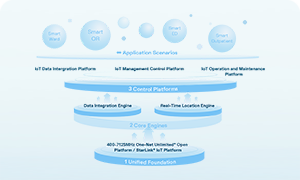
In addition, the flexible installation characteristics and open architecture of Ocamar nursing interaction screens perfectly adapt to the existing environment and system of the hospital. They can be quickly deployed without large-scale renovations of the wards and seamlessly integrated with the hospital's existing HIS system and IoT infrastructure, ensuring smooth connection between the smart nursing system and the existing medical treatment process. After a period of operation, all the functions of the product have become stable and reliable. It not only significantly improved the service efficiency and quality of the hospital, enhanced the medical experience of patients, but also injected new vitality into the sustainable development of the hospital, becoming a successful model for the intelligent transformation of maternal and child health care institutions.



