
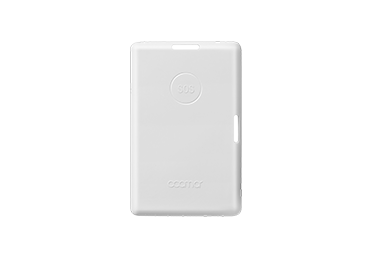
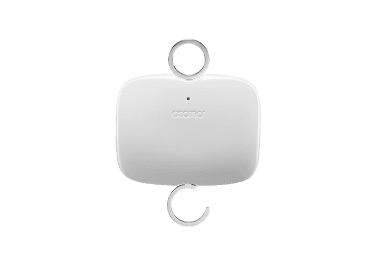
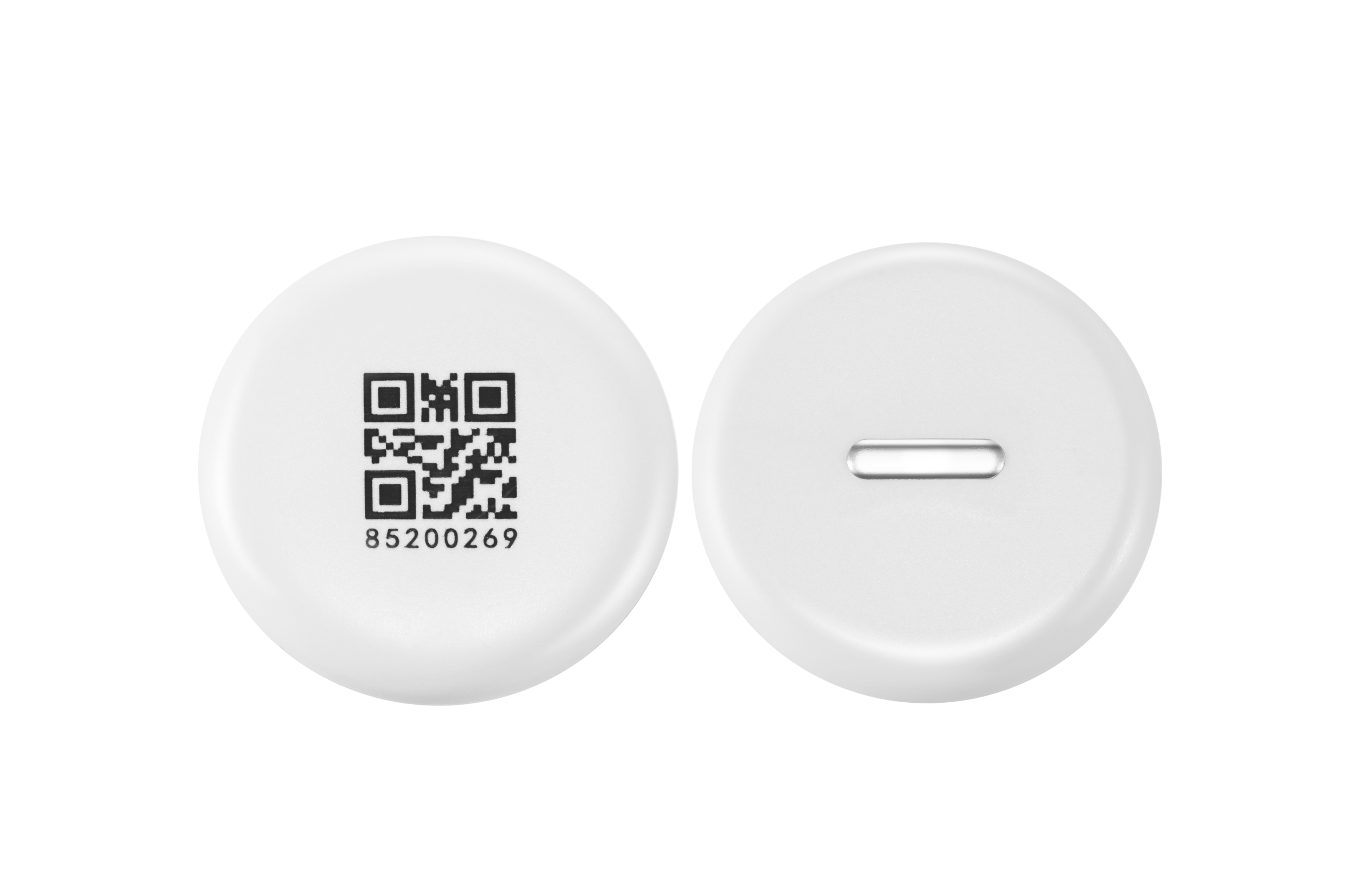




Against the backdrop of the continuous advancement of the Healthy China Strategy, medical Internet of Things (IoT) and smart ward construction have become core drivers for improving quality and efficiency in medical institutions. The National Nursing Development Plan clearly proposes leveraging the Internet of Things and big data technologies to advance nursing informatization, optimize nursing workflows, effectively reduce the workload of front line nurses, and push nursing services toward refinement and intelligence.
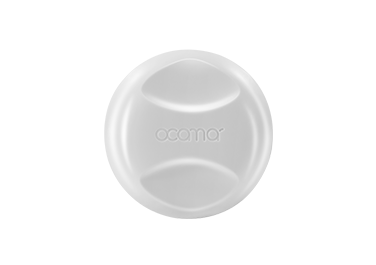
Given the growing population aging, there is an increasingly urgent demand for continuous, non invasive patient vital sign monitoring in hospitals, senior care facilities and home care scenarios. Backed by over 20 years of technical expertise in medical IoT, the Ocama Vital Sign Monitoring System takes the contact free wireless smart mattress as its core hardware. It integrates hardware software links to realize “monitoring upon bed occupancy”, delivers digital solutions for multi scenario care, and facilitates innovation in clinical nursing models.
Policy Driven: Smart Nursing — an Inevitable Direction for High Quality Medical Development
A host of national policies guide the deep integration of information technology and clinical nursing. The Action Plan for Further Improving Nursing Services advocates building smart wards, adopting IoT technologies to optimize nursing workflows and extend hospital based nursing services to home care settings. The Action Plan for the Development of Smart Health and Senior Care Industry encourages health monitoring hardware capable of trend analysis and intelligent early warning, and supports the deployment of non wearable sensing devices in medical and senior care institutions.
In traditional nursing workflows, vital signs are collected via contact devices such as wristbands and electrodes. Pressure ulcer risks are assessed manually at fixed intervals. Hidden hazards including patients getting out of bed at night and respiratory abnormalities are detected through manual ward rounds. This consumes substantial nursing manpower and may result in missed or delayed judgments. Policy guidelines explicitly promote technical solutions to address clinical pain points, shifting nursing from passive response to proactive early warning and pre emptive intervention.
As a clinically oriented IoT monitoring product developed in response to policy requirements, the Ocama Vital Sign Monitoring System holds a Class II Medical Device Registration Certificate. It meets compliance standards for medical environments and can be deployed across hospitals, senior care institutions and home care settings.
Technical Core: Contact Free Sensing — “Monitoring upon Bed Occupancy” Reinventing Monitoring Logic
Different from conventional wearable monitoring devices, the Ocama wireless smart mattress adopts contact free sensing technology. No sensors need to be worn; continuous vital sign data can be collected while patients lie normally in bed. Easy to deploy, it is simply laid over existing mattresses without altering regular hospital bed usage patterns. It avoids practical drawbacks of wearable devices such as skin irritation, device dislodgement and patient non compliance.
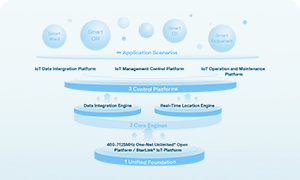
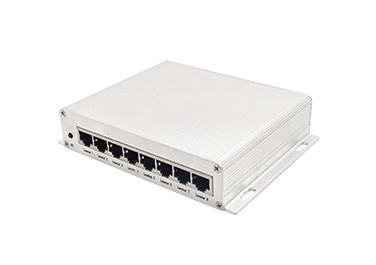
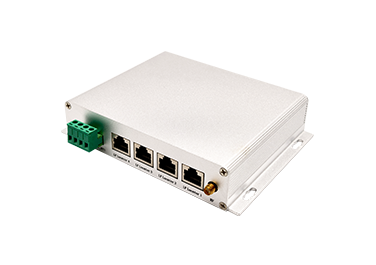
Hardware and software platforms work in close synergy. Relying on Ocama’s “One Net Unlimited® Full Network Data Analysis Platform”, a robust medical IoT infrastructure, the system completes the full workflow of data acquisition, transmission and standardized interpretation.
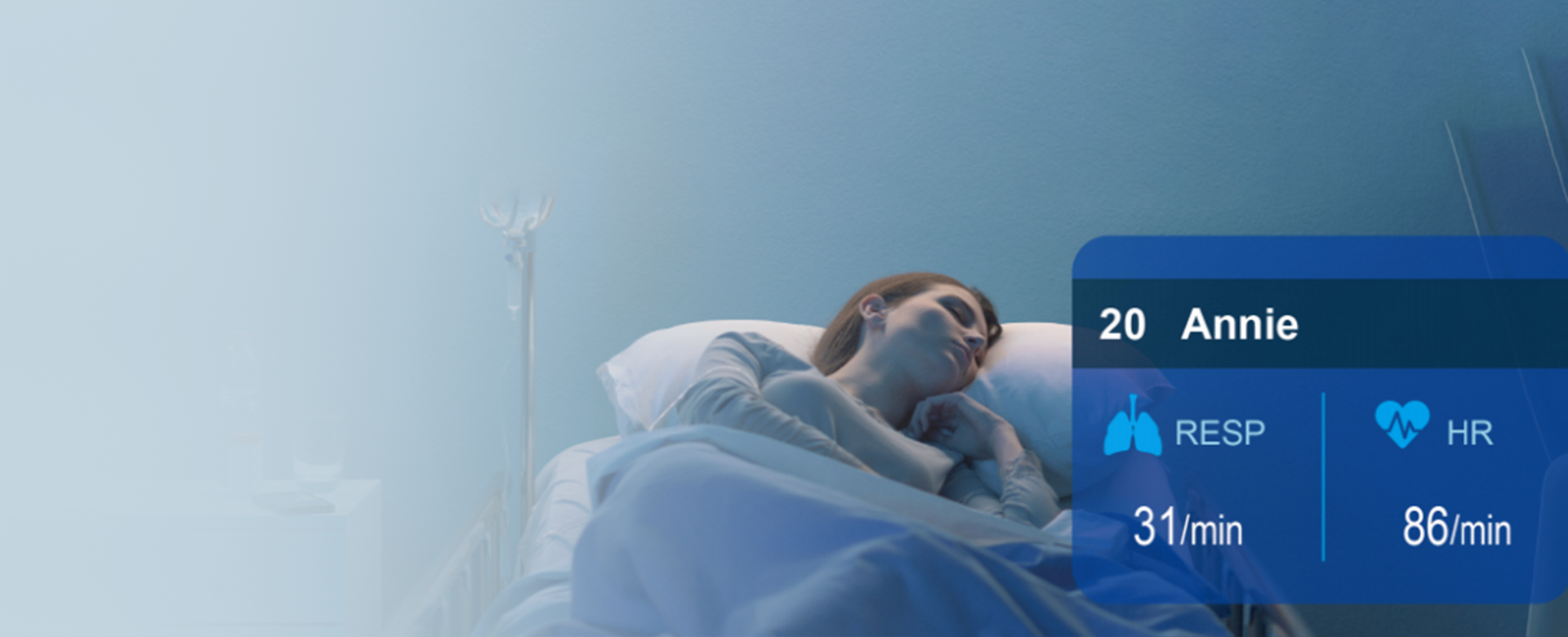
· Continuous vital sign perception: Contact free acquisition of heart rate and respiratory rate; real time detection of apnea risks.
· In bed / out of bed status identification: Automatic recognition of patient bed occupancy and departure; accurate detection of night time out of bed events.
· Intelligent pressure ulcer risk assessment: Continuous logging of patient body movement and turning over duration. Pressure ulcer risks are automatically evaluated based on immobility periods, and care staff are alerted to assist patients with position changes.
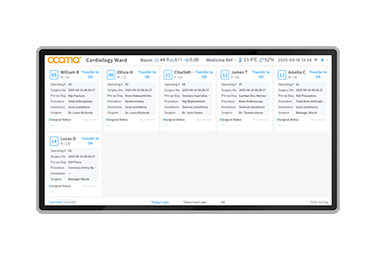
· Multi dimensional intelligent alarms: Multiple early warning modes including 20 second apnea alert, night time out of bed alarm and in bed abnormal condition alarm. Abnormal notifications are pushed promptly to cover gaps in manual ward round coverage.
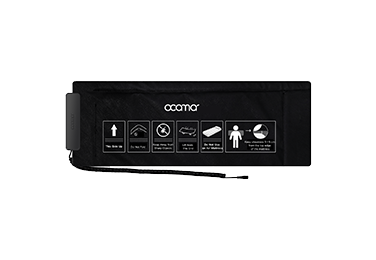
The system balances medical grade stability and user friendliness. Clear operating instructions are printed on the mattress unit for simple deployment and maintenance, making it well suited for complex ward environments.
Clinical Value: Reducing Burdens & Enhancing Quality for Refined Nursing Management
Clinical nursing is constantly challenged by nursing staff shortages, heavy care burdens for high risk bedridden patients and high volumes of manual nursing documentation. More than a monitoring tool, the Ocama Vital Sign Monitoring System serves as a digital management carrier for nursing quality.
1. Alleviating front line nursing workload The system automatically collects data on position changes, vital signs and in bed / out of bed status. Analytical reports can be auto populated into nursing records to reduce manual documentation. Automated night time alerts replace frequent manual ward rounds and ease night shift pressures. Nurses are freed from repetitive inspection and paperwork so they can devote more time to patient centered humane care.
2. Closed loop management for pressure ulcer risks Body movement data enables quantitative assessment of pressure ulcer risks. Turn over reminders are actively pushed for high risk patients, with full records of intervention activities retained. Statistics for pressure ulcer relevant nursing performance and sensitivity indicators are generated. Subjective experience based nurse assessment is upgraded to data driven objective early warning, enabling early risk identification and timely intervention to lower pressure ulcer incidence and safeguard bedridden patient safety.
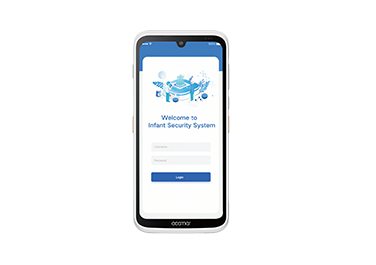
3. Open compatibility for integration with hospital informatization Standardized open interfaces allow seamless interconnection with hospital clinical information systems and nursing management platforms within the existing medical intranet. No overhaul of legacy IT infrastructure is required for data sharing. Comprehensive objective datasets also support clinical teaching and nursing research, boosting disciplinary development within departments.
Multi Scenario Coverage: Building Continuous Care Linkages Across Hospitals, Institutions and Homes
A future trend in healthcare is breaking down hospital boundaries to build integrated continuous care systems spanning hospitals, senior care institutions and home care services. The Ocama Vital Sign Monitoring System supports diverse use cases with one unified product solution.
· Hospital wards: Continuous bedside monitoring for bedridden, elderly and post operative patients in medical wards, geriatric wards, rehabilitation wards and ICU step down wards.
· Senior care facilities & special supervision institutions: Centralized management of large bed cohorts. Batch monitoring of residents’ vital signs and fall risks related to getting out of bed to improve overall institutional care safety.
· Home care scenarios: Contact free monitoring for disabled and semi disabled elderly people at home. It facilitates Internet Plus home care services and brings professional monitoring capabilities into households.
Drawing on more than two decades of medical IoT experience, the solution has been implemented in over 1 000 medical and health care institutions nationwide. Its medical grade IoT foundation ensures stability, reliability and scalability for large scale deployments, realizing “multiple applications over one network” and laying solid hardware foundations for smart ward construction.
Looking Ahead: Defining Next Generation Smart Monitoring via IoT Sensing Technology
Health monitoring paradigms are undergoing profound transformation: from intermittent spot measurements toward all weather continuous monitoring; from contact dependent workflows requiring patient cooperation toward non intrusive contact free perception; and from post incident response toward pre emptive risk early warning and intervention.
The Ocama Vital Sign Monitoring System embodies these industry trends. It goes beyond simple vital sign readouts. Powered by IoT sensing and big data analytics, it acts as a digital assistant for nursing staff, balancing patient experience, clinical safety and operational management efficiency. With deepening development of smart hospitals and integrated medical senior care services, non contact vital sign monitoring solutions represented by this system will become essential infrastructure for smart nursing.
Ocama Information Technology (Shanghai) Co., Ltd. will remain rooted in the medical IoT sector. Through technological innovation, the company safeguards patient safety and helps China’s medical health services evolve toward greater intelligence, refinement and human centered care.



